How to Research the History of Your Local Manor House: A Beginner's Guide
October 08, 2026 - Manor History

October 06, 2026 - Country Estates
A manor house open day is a curious hybrid: part museum visit, part invitation into somebody's home. You walk through rooms that still hold the family's photographs, past chairs that have been sat on for three centuries, and out into gardens someone mows every week. A little preparation turns a pleasant afternoon into a genuinely good day out, and it quietly marks you as the sort of visitor a house is glad to see.
What follows is practical: how to plan, what to wear, how to behave once you are through the gate, and how to get more from the visit than a quick lap of the state rooms.
Manor open days are less spontaneous than they look. Many houses sell timed tickets for the interior, keep the gardens open longer than the rooms, and shut the gates firmly at last entry. Ten minutes on the website the evening before saves a wasted drive.
Worth checking:
If you are travelling any distance, give yourself more time than you think you need. The pleasure of a manor house is in the slowing down, and a rushed visit feels like a wasted one.
There is no dress code, and nobody is checking your shoes at the door. But the practical realities of the place reward a bit of thought. Gravel drives, uneven stone floors, staircases with shallow treads and damp lawns are the standard combination.
Flat shoes with a bit of grip are the single best decision you can make. Leave the stilettos and the box-fresh white trainers at home. Dress in layers, because old houses are cool in summer and colder than you expect in spring, and the gardens can be blazing twenty minutes later. Bring a light waterproof that folds into a bag, a hat, and a refillable water bottle.
Carry a small bag rather than a large backpack. It is easier to manage in narrow corridors, and it keeps both hands free — which matters more than you would think in a room full of porcelain.
Arrive at the time you booked and follow the signs rather than your instincts. Stewards will point you towards the entrance, the loos, and the one-way route through the house if there is one.
In the grounds, the rules are broadly the same everywhere: keep to paths where asked, stay off the lawns when they are roped or signed, keep dogs on leads near livestock and other visitors, and take litter home or to a bin. Picnics are usually welcome in designated spots and rarely on the formal terraces. If a gate says private, it is private — usually a working garden, a farm track, or the family's own front door.
Once you are indoors, the guiding principle is simple: this is someone's home as well as a historic building, and it is being looked after for the people who come after you.
Do not touch. Not the tapestry, not the gilded frame, not the polished rail, and not the bed that looks sturdy enough to take your weight. Oils from skin do real damage over time, and a single touch on a fragile surface can be permanent. Keep behind the ropes and stands. Do not lean on furniture or windowsills. Walk through doorways rather than pausing in them, so the room behind you can breathe. A chair with no rope in front of it is still not a chair to sit on.
The volunteers standing quietly in the corner are the best resource in the building. Ask them anything: which portrait is which, what the room was used for, which bit of panelling is original. They often know the family, the fire, the ghost story and the recent restoration, and they are usually delighted to be asked. Keep your voice at conversation level, and step to one side if you want a longer chat — sound carries badly in a room with a stone floor and no soft furnishings.
Assume photography is allowed without flash unless a sign says otherwise, and check that sign at every door. Tripods, selfie sticks, drones and commercial shoots are nearly always off limits. Never photograph staff or other visitors without asking, and put the phone down for a minute or two. Some rooms deserve your full attention rather than a screen.
If the house runs a guided tour, take it. Even a forty-minute walk-through gives you the story of the building, and stories are what make the difference between a collection of old objects and a place you remember.
A few things that help: join the first tour of the day if you can, then wander back through the rooms afterwards at your own pace. Ask one good question rather than five quick ones. Look up — ceilings, cornices and doorcases are where the money went. And read the room sheets, which usually explain the family's rise, fall and occasional scandal better than any guidebook.
If there is a garden tour, that is often the highlight. Head gardeners talk about soil, seasons and failures in a way that curators rarely do.
The tea room and the shop are part of the visit, not an afterthought. A pot of tea and a slice of cake in a converted stable is one of the small pleasures of the day, and the shop — especially a second-hand book corner — often raises money for the house's upkeep.
Save the last half hour for the grounds. Light changes, crowds thin, and the long view down the avenue from the terrace is usually at its best just before closing. Then leave when they ask you to, without a fuss. Closing time is when the staff finally get to sit down.
Book ahead, check the details, and arrive with time in hand. Wear flat shoes with grip, layers, and a waterproof. Carry a small bag and leave the big backpack in the car. Keep your hands to yourself, your voice low, and your questions ready for the stewards. Follow the ropes, the signs and the one-way route. Put the phone away now and then. Be kind to the volunteers, who stand on stone floors for hours so that you can see the place at its best.
Do those things and you will get far more from the day than a tick on a list: a proper sense of how a house like this works, and an invitation, in spirit at least, to come back in another season.
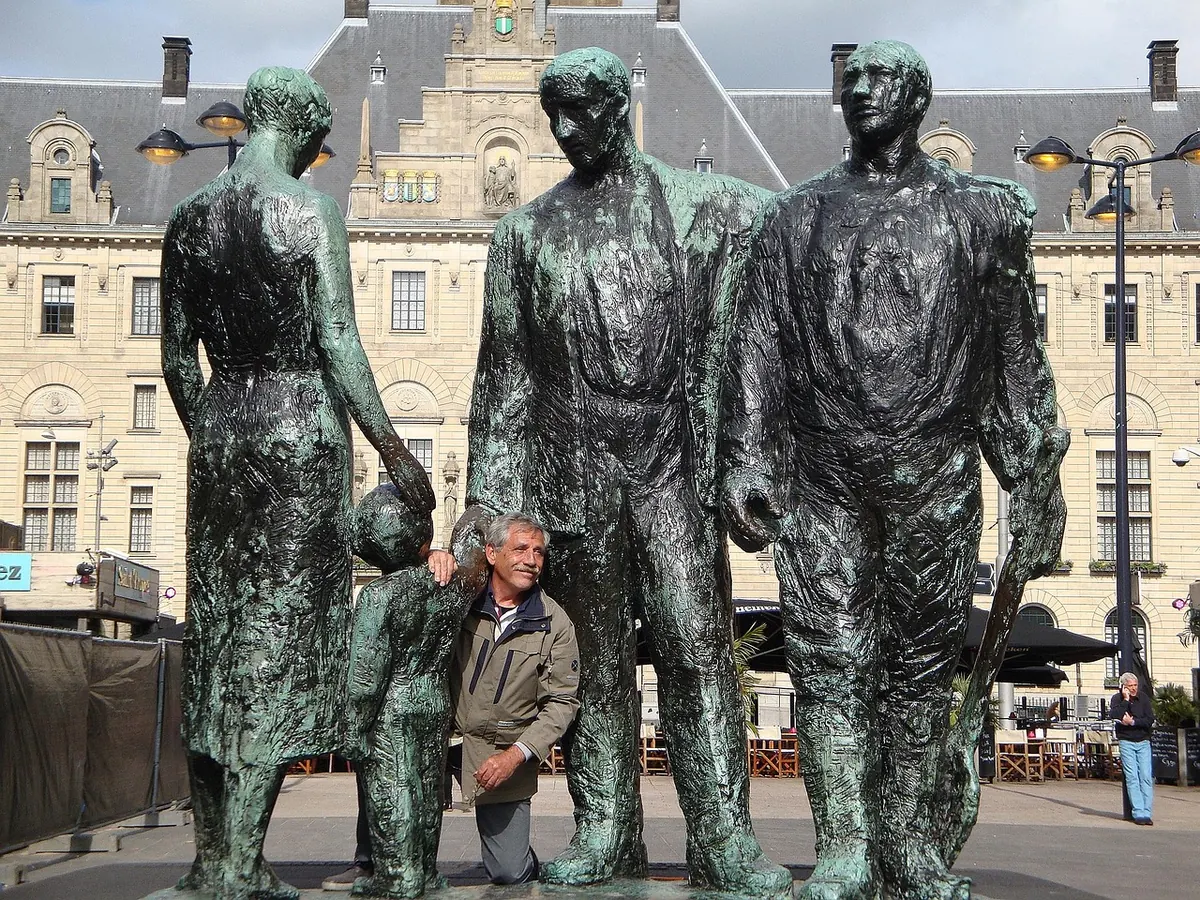
Photo: HenkHovens / Pixabay

Trace the story of a local manor house using building clues, maps, deeds and manorial records — a practical...
Buying a historic manor is a long game. These five common mistakes — from hidden maintenance bills to land-use...
October 06, 2026 - Country Estates
Copyright © 2026 The Manor Chronicle. All Right Reserved.