How to Research the History of Your Local Manor House: A Beginner's Guide
October 08, 2026 - Manor History

October 06, 2026 - Country Estates
The first frost usually reaches the park before the last roses have given up. One morning the avenue is silver, the deer have moved down to the lower fields, and the house smells of cold stone and woodsmoke. Autumn on a historic estate is not a single event but a change of gear. Work shifts indoors and out, the calendar fills with traditions older than the trees, and every room begins to ask something of you. Here is how the season shapes estate life, and what it asks of anyone keeping a manor house running.
The light goes first. By late September the sun is low enough at breakfast to lie across the hall floor in long panels, and low enough by four o'clock that lamps are lit in corridors nobody has used all summer. Curtains are drawn earlier, fires are laid rather than guessed at, and the rugs come back out of their paper. In the kitchen garden the last beans are picked and the beds are turned.
There is a practical rhythm to this, too. Doors that stood open all summer now stay shut, which means the back stairs and service corridors are suddenly in use again. Anyone running a large house learns to move with the season rather than against it: heat the rooms you live in, ventilate the ones you don't, and keep the rest dry.
A driven day looks effortless from the outside and is anything but. The keeper has spent months on habitat, feed and predator control. On the day itself there are beaters working the coverts, pickers-up with spaniels and labradors behind the line, a host thinking about lunch, and guns who need to be in the right place at the right time.
Etiquette matters more than marksmanship. Guns arrive early, listen to the safety briefing, keep muzzles under control, and never shoot low birds over the beaters or towards a road. Dogs are steady, or they stay at home. Whatever the day's bag, it goes into the larder properly and is shared out rather than wasted.
Shooting seasons differ by country and species, and they change. If you are hosting, shooting or simply walking, check the current dates and local rules rather than relying on what your grandfather did.
If you live near, or visit, an estate, the practical courtesies are simple: read the notices at the gate, follow any signed diversion of a footpath, keep dogs on leads near coverts and livestock, and park where you are asked to. Estates generally welcome walkers all year and ask only for a few hours of consideration on shoot days. A quiet word with the keeper in advance solves most problems before they start.
Sweep chimneys annually before the burning season, and have flues on solid-fuel appliances checked by someone competent. Wood should be seasoned for a year or more and stored under cover with air moving through it; green wood coats a flue with tar and gives little heat. Keep a fire guard for open hearths, and never leave an open fire unattended in a room with children or dogs. Ash goes into a metal bin, not a plastic one, and not onto the compost until it is genuinely cold.
The enemy in an old house is not cold but moisture. A little steady background heat in unused rooms does more good than a blast of warmth once a week. Open windows briefly on dry mornings to change the air, keep furniture a hand's width off external walls, and check gutters, downpipes and gullies before the heavy rain arrives. Where a room is genuinely unused, a dehumidifier and a closed door will protect panelling, textiles and pictures far better than a fan heater.
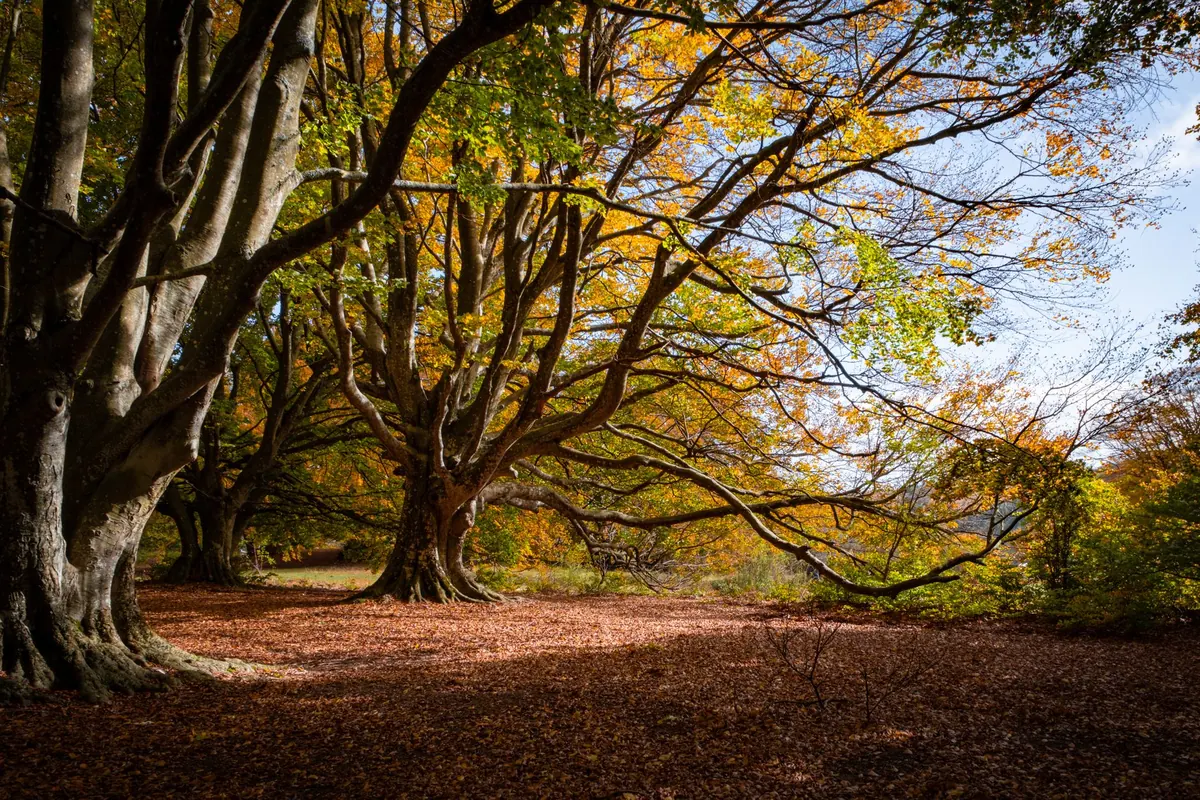
Leaf clearing is the great autumn task, and it is best done little and often rather than once, heroically, in November. Wet leaves smother a lawn within days. Rake them into wire bins to make leaf mould; oak and beech take two years, sycamore and lime rather less. Keep the piles damp and turn them occasionally.
Apples and pears come away with a twist and a lifted stalk when they are ready; windfalls go for juice and chutney. Store sound fruit in single layers in a cool, dark, frost-free room and check it weekly, because one rotten apple does indeed spoil the rest. Quince, medlars and the last damsons all want using quickly, which is why the kitchen smells of spice and vinegar throughout October.
Game belongs in the same conversation. If you have a cool, airy place and know what you are doing, hanging is traditional; if you are unsure, refrigerate promptly and cook it fresh. When preserving, follow tested recipes and keep to the sterilising and sealing instructions — food poisoning is not a country tradition worth reviving. If in doubt, throw it out.
Michaelmas at the end of September was the old quarter day: rents paid, accounts settled, geese eaten, and the shooting and hunting seasons underway. Harvest suppers, church harvest festivals and apple days still gather villages onto estates, often in a barn or a walled garden rather than a dining room. Bonfire night follows, and a good pile should be built on the day and checked for hedgehogs before lighting.
These events matter beyond nostalgia. They give a house a purpose beyond being looked at, and they keep the relationship between an estate and its neighbours in working order.
Anyone who entertains in autumn eventually builds the same kit: a boot room with a bench, boot jacks and a drain in the floor; a drying room or at least a radiator and a rail; torches by every external door; umbrellas that nobody is expected to return. Ask guests to bring wellingtons and a warm coat, warn them about the walk from the car park, and put a towel by the door for wet dogs. Small courtesies like these turn a muddy weekend into a remembered one.
If you are new to a house and its grounds, the first fortnight sets the tone for the winter. Work in this order:
Get those done and the house will carry you through to spring. Autumn is not a season to survive on an estate. It is the one that tells you, quite plainly, whether the summer's small repairs were done and whether the winter's stores are ready.
Photo: Roberto Rosi / Pexels

Trace the story of a local manor house using building clues, maps, deeds and manorial records — a practical...
Buying a historic manor is a long game. These five common mistakes — from hidden maintenance bills to land-use...
October 06, 2026 - Country Estates
Copyright © 2026 The Manor Chronicle. All Right Reserved.