How to Research the History of Your Local Manor House: A Beginner's Guide
October 08, 2026 - Manor History

October 06, 2026 - Country Estates
Stand at the gate of a handsome old house in the English countryside and you will hear it called a manor house by one visitor and a country house by another. Both labels sound plausible, both are old, and neither is wrong often enough to cause an argument. Yet they describe two different things. One is a position in the legal and social structure of a village. The other is a family seat, a landscape, and an income. Knowing which is which changes the way you read a building, an estate agent's particulars, or a Victorian county history.
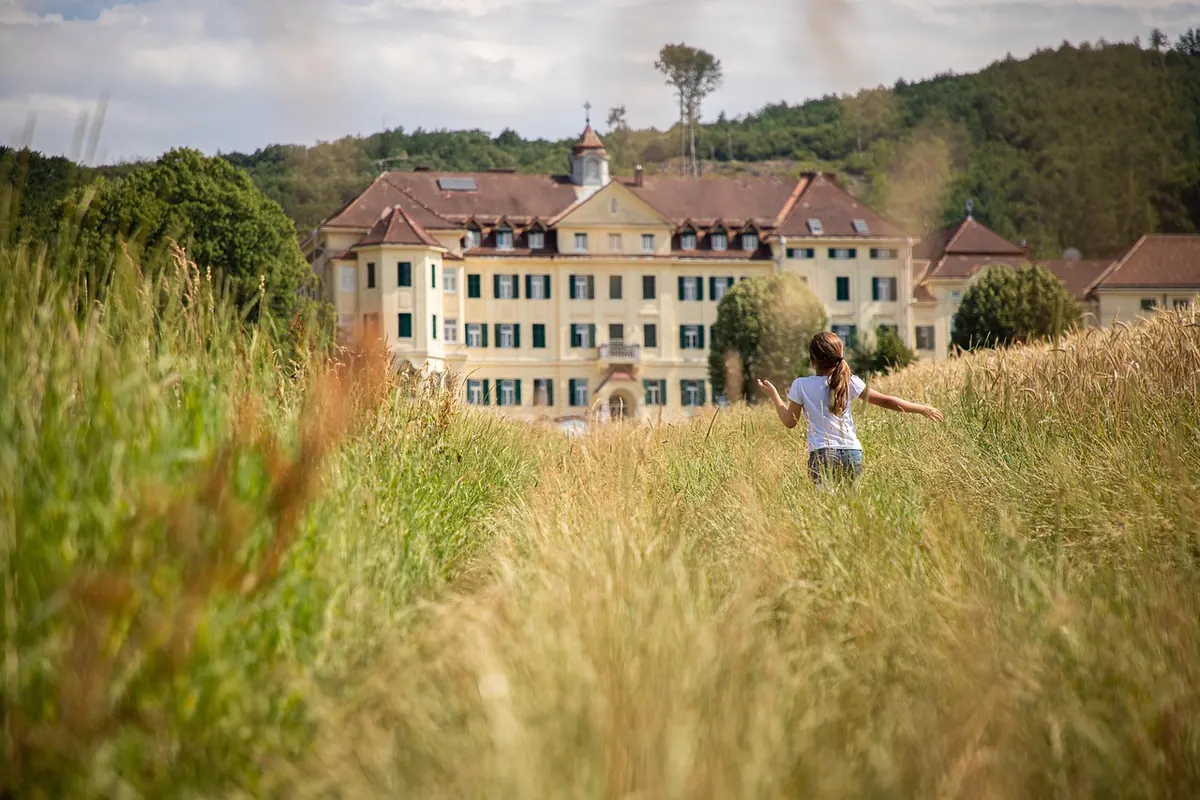
Manor houses are usually smaller than people expect. The medieval manor house was the home of the lord of the manor, and that lord might be a modest gentleman farmer, a parson with a tidy living, or a knight holding a single village. Many survive today as farmhouses: two storeys, a hall, a solar at one end, service rooms at the other. Others were enlarged over centuries until they could pass for something grander.
Country houses tend to announce their scale from a distance. Long façades, projecting wings, a stable block, a walled kitchen garden, a carriage drive sweeping through parkland. The house is the centre of a designed composition rather than a building that happened to grow beside a lane.
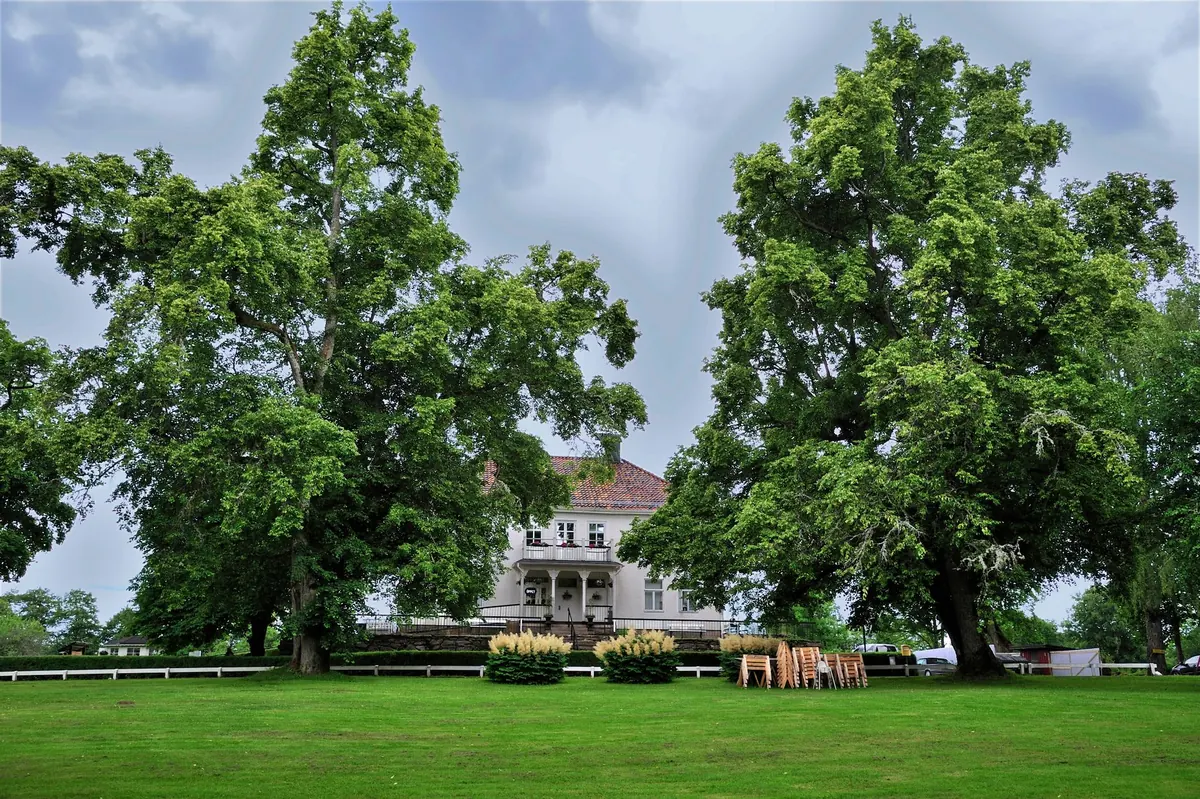
Two warnings, though. First, plenty of manor houses were rebuilt in the Georgian or Victorian period and are now large, symmetrical and impressive. Second, a great many country houses were legally manor houses as well, because the family that owned the estate also held the lordship. The categories overlap far more often than guidebooks admit.
Historically, a manor was a unit of land and jurisdiction — a court, a lord, and the tenants who owed him rents and dues. The manor house was simply where that business was done.
That is the crucial point. Manorial status came from holding the lordship, not from owning a beautiful building. You could be lord of the manor and live in a house of no particular distinction. You could also own a fine old house and hold no manorial rights at all. The lordship could be bought, sold, inherited or split, and the house usually stayed where it was, quietly outliving the paperwork.
Country house ownership ran on a different set of rules: acres. The country house was the seat of a landed family whose wealth came from tenanted farms, timber, minerals or rents. Estates were often entailed, meaning they passed down a line rather than being freely sold, and younger sons and daughters were provided for in other ways. Ownership was less about a legal title than about the size of the rent roll and the family's standing in the county.
The bones of a medieval manor house are recognisable once you know what to look for:
Country houses read differently. They were designed, often in a single campaign, by an architect with a pattern book and a taste for the classical orders. Expect symmetry, a formal entrance front, state rooms arranged in an enfilade, sash windows, a hierarchy of staircases — the grand one for guests, the back one for servants — and a service wing deliberately placed out of sight. Around the house, the landscape itself was edited: a ha-ha instead of a fence, clumps of trees, a lake, a folly on the horizon.
The giveaway is usually the join. A Georgian front bolted onto a medieval core tells you the family had money in the eighteenth century and ancestors in the fourteenth.
The manor house was an office as much as a home. Manorial courts met there, rents were collected, disputes settled, and estate business conducted in a room that was sometimes still called the court room long after the court stopped sitting. It was the administrative centre of a village, and its importance did not depend on how handsome it was.
The country house was a stage. House parties, shooting, elections, patronage of church livings, and the annual migration to London for the season all revolved around it. It was also an employer: kitchens, laundry, gardens, stables and gamekeeping gave work to dozens of people from the surrounding villages. Many country houses kept an estate office and a home farm too, so the practical business of farming never disappeared — it simply took second place to display.
England and Wales are where the manor, as a legal idea, runs deepest. Scotland has lairds' houses and tower houses rather than manors in the English sense. Ireland has the "big house", a term loaded with its own difficult history. In North America, "manor" survives from colonial land grants, particularly in the Hudson Valley, but the manorial court system worked differently, and "country house" is largely an imported phrase used for later estates. Local vocabulary is usually more accurate than the general one.
Treat the label on an estate agent's window as marketing, not law. A house described as a manor house may carry no manorial rights at all, and a property sold with "manorial rights" included may involve rights that are registered, unregistered, long dormant or disputed. That is conveyancing territory, and it is worth paying a solicitor who has dealt with manorial titles before to check it properly.
If you plan to alter a historic house, listed building consent and conservation area rules will matter more than terminology, and a conservation-accredited architect or surveyor will save you money in the long run. Beyond the paperwork, the useful question is the one that settles most arguments: what did this building do? A house that administered a village is a manor house, whatever its size. A house built to impress a county is a country house, whatever its legal title. Look at the plan, the parkland and the papers, and the answer is usually waiting there.
Photo: florianschubert / Pixabay
Trace the story of a local manor house using building clues, maps, deeds and manorial records — a practical...
Buying a historic manor is a long game. These five common mistakes — from hidden maintenance bills to land-use...
October 06, 2026 - Country Estates
Copyright © 2026 The Manor Chronicle. All Right Reserved.